Our Blog
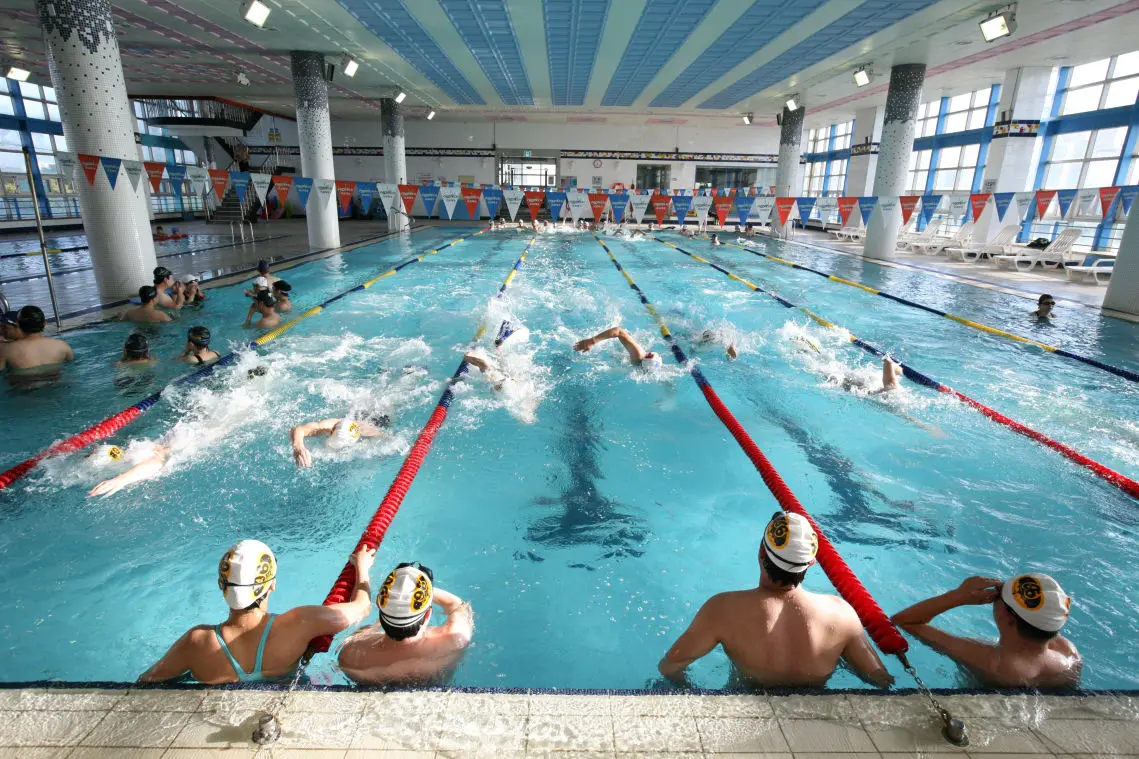
Acoustics in swimming pools
Acoustics in swimming pools are an often overlooked aspect of designing and building these facilities. However, poor acoustics can have a significant impact on the swimming experience for both athletes and spectators. In this blog post, we will discuss the importance of acoustics in swimming pools and what can be done to optimize sound quality.
The first thing to understand is how sound behaves in an aquatic environment. Water is an excellent conductor of sound, meaning that noise can travel much farther and more easily through water than through air. In a swimming pool, this can create a variety of problems, including echoes, reverberation, and distorted sound.
One common issue with swimming pools is excessive noise levels. The sound of splashing water, yelling, and other pool-related noises can create a very loud environment. Excessive noise can be disruptive to athletes and instructors, making it harder for them to focus on their performance and communicate effectively. It can also be unpleasant for spectators, detracting from the overall experience of watching a swim meet.
To address these issues, several strategies can be employed to optimize acoustics in swimming pools. One solution is to add sound-absorbing materials to the walls, ceilings, and floors. This can help to reduce the amount of noise bouncing around the space, leading to better sound quality and less echo. For example, acoustic panels or sound-absorbing tiles can be installed in areas where excessive noise is a problem.
Another approach is to use sound masking to create a more pleasant environment. Sound masking involves adding low-level background noise to a space to reduce the impact of unwanted noise. This can help to create a more soothing and comfortable environment for swimmers and spectators alike.
Lastly, the overall design of the swimming pool can also play a role in optimizing acoustics. The shape of the pool, the materials used in the construction, and the placement of the pool in relation to other areas of the building can all affect sound quality. It is important to consider these factors when designing and building a new swimming pool to ensure the best possible acoustical performance.
In conclusion, acoustics in swimming pools are an important consideration for optimizing the swimming experience for both athletes and spectators. By taking steps to reduce excessive noise levels, add sound-absorbing materials, and create a more soothing environment through sound masking, swimming pool facilities can create a more enjoyable and functional space.